
The AI Language Tax: Why Running AI Costs More Outside English
AI models bill per token, and English is the cheapest language there is. The same work can cost 50 to 129% more in another language. Here is why, and how to check yours.
Not a chatbot bolted onto your homepage. AI agents and automations built into your website, booking, listings and back office, where they save hours every week.
From €1,200Pilot scoped per task
Unlockd builds AI automation and AI agents into company websites and business software: agents in the daily workflow, WhatsApp messaging through Meta, SEO copy written automatically for every new listing, and predictions from many data signals. It's built with Claude, Cursor, Codex and Figma, on paid plans with model training switched off, and it's already in production at Relax Club, SM nekretnine and Plotix.
The same questions about prices, availability and bookings, answered one by one across WhatsApp, email and the phone.
New listings and products published with no description and no SEO, because writing them takes hours.
Data copied from one tool to another, with the errors that come with it.
Plenty of data, no forecast, and choices made on intuition.
Agents that take routine work off the team inside the same system they already use, with a person in the loop where it matters.
Confirmations, reminders and updates on the official WhatsApp Business Platform, sent automatically.
SEO copy generated for every new listing or product the moment it's added, in your tone.
Models that combine many signals into one clear forecast, such as where property prices will move.
Listings, bookings and records moving between your tools automatically, instead of being retyped.
Vouchers, confirmations and PDFs generated automatically from the data you already have.
Journal
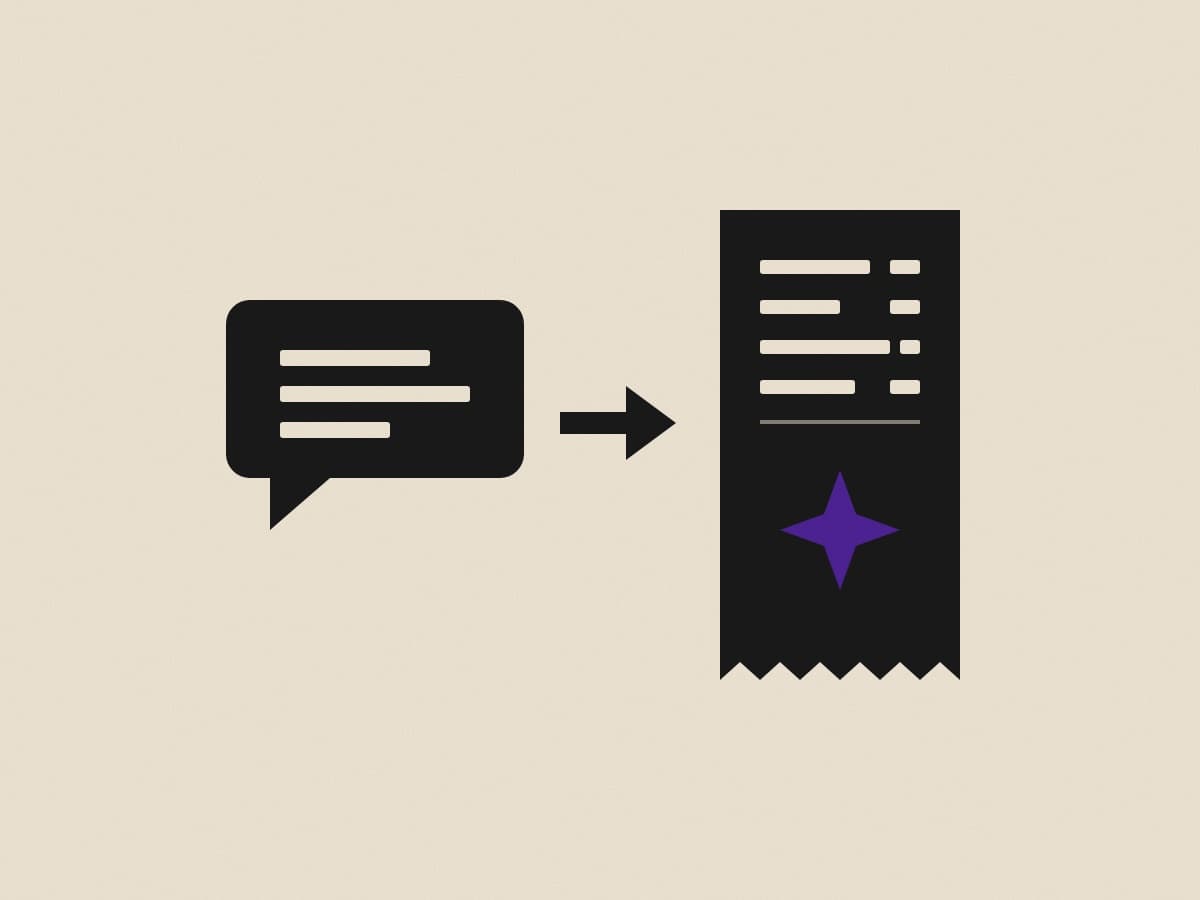 Software
The AI Language Tax: Why Running AI Costs More Outside English
AI models bill per token, and English is the cheapest language there is. The same work can cost 50 to 129% more in another language. Here is why, and how to check yours.
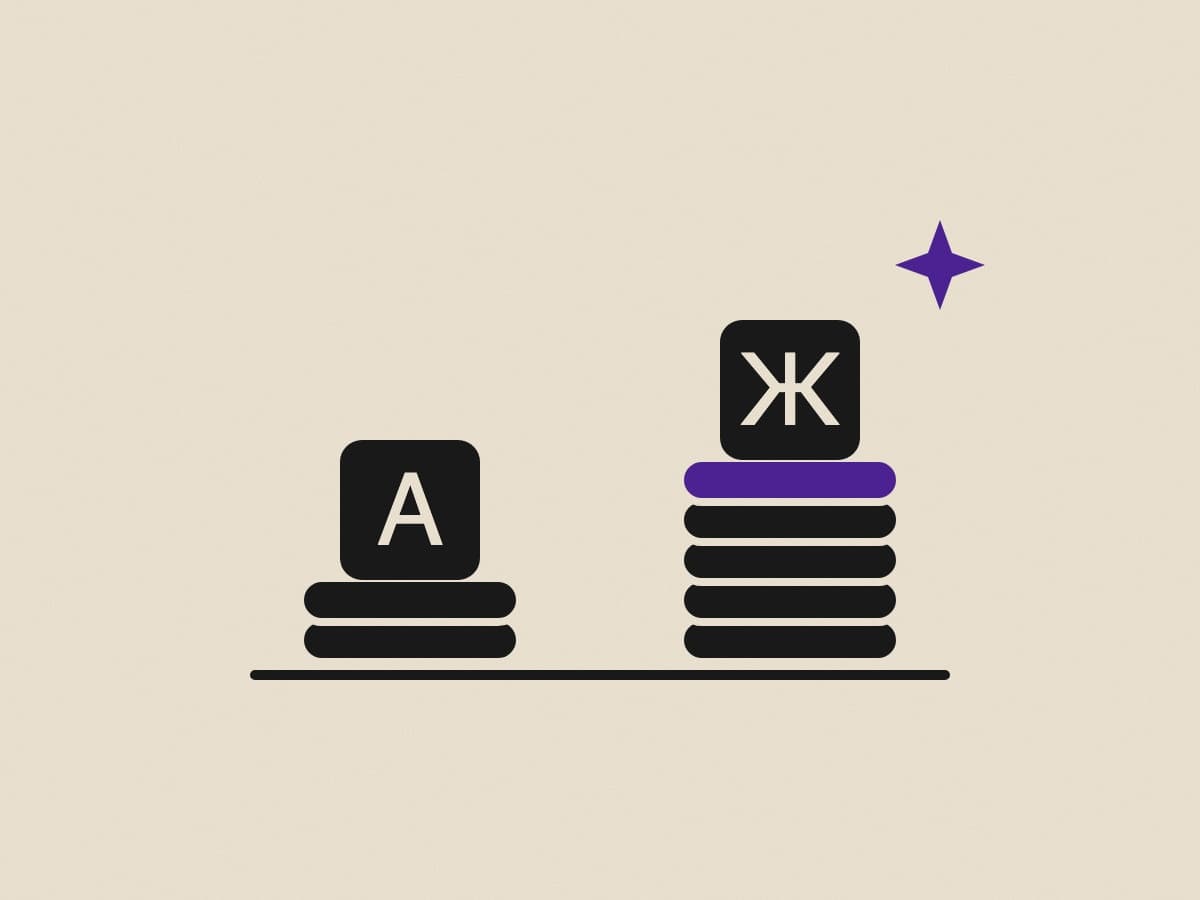 Software
AI Charges a Tax on Serbian, and Cyrillic Pays More
Across 8 current AI models, Serbian in Latin script costs 50 to 84% more tokens than English, and in Cyrillic 65 to 129% more. Our measurements.
 Software
Custom Software Development Cost in 2026: What Drives the Price, and What a First Release Costs
What custom software costs in 2026: what drives the price, why a first release beats a full system, running costs and our fixed prices.
AI can automate the repetitive work between people and systems: answering routine messages, sending confirmations and reminders, writing product or listing descriptions, moving data between tools and generating documents. The best first candidate is the task your team repeats most often every week, with clear inputs and a result someone can check.
They can be, with the right setup. We only use paid AI plans with model training switched off, send the model only the data a task needs, keep a person in the loop where decisions matter, and handle personal data under GDPR. Every automation logs what it did, so you can check it.
No. Automation is built into the website, booking system and tools you already use, connected through their APIs. If a tool has no API, we look for an export, an email trigger or another route, and tell you during scoping if it really can't be automated.
No. A chatbot answers questions on a page. The automations we build do the work itself: they send the reminder, write the listing description, sync the record between systems and prepare the document, inside the tools your team already uses, with a person approving where it matters.
A pilot that automates one task starts from €1,200, quoted as a fixed price. AI and messaging usage (model APIs, WhatsApp fees) is billed at cost, so you see exactly what it runs on. Larger automations built into custom software are scoped as a release, from €6,900.
AI automation is software that takes over repeat work that used to need a person because it involves text, language or judgement: reading a message and replying, writing a description, pulling data out of a document or sorting a request. The difference from a chatbot is that it does the work inside your own systems, with a person checking where it matters.
Regular automation, or RPA, follows fixed rules: when this arrives, do that. It's cheap and reliable as long as the input always looks the same. AI is needed when the input varies: free text in an email, a photo, a PDF, or a question every customer asks differently. In practice we combine both: fixed rules where possible, an AI model only where it's needed.
For simple connections between standard tools, Zapier, Make or n8n are often enough and the quickest route. Custom work pays off when the automation has to run inside your own website or system, with your data and logic, when per-task platform costs keep climbing, or when you want to own the code. On the first call we tell you honestly which side your task falls on, including when you don't need us.
With one task. On a short call we pick the task your team repeats most, then prototype it on your real data, measure the time it saves, and only then build it in properly. If AI isn't the right tool for that task, you hear it on the call.
It depends on how many systems the task touches and how clean the data is, so the date is set at scoping and given to you in writing with the fixed price, before work starts. A pilot is deliberately small: one task, measured on real data, so you see the result quickly before committing to more.
It will, occasionally, so we design for it. Tasks with real consequences keep a person approving the output, every action is logged, and the automation stops and asks rather than guessing when its input is unclear. We start with tasks where a mistake is cheap to catch.