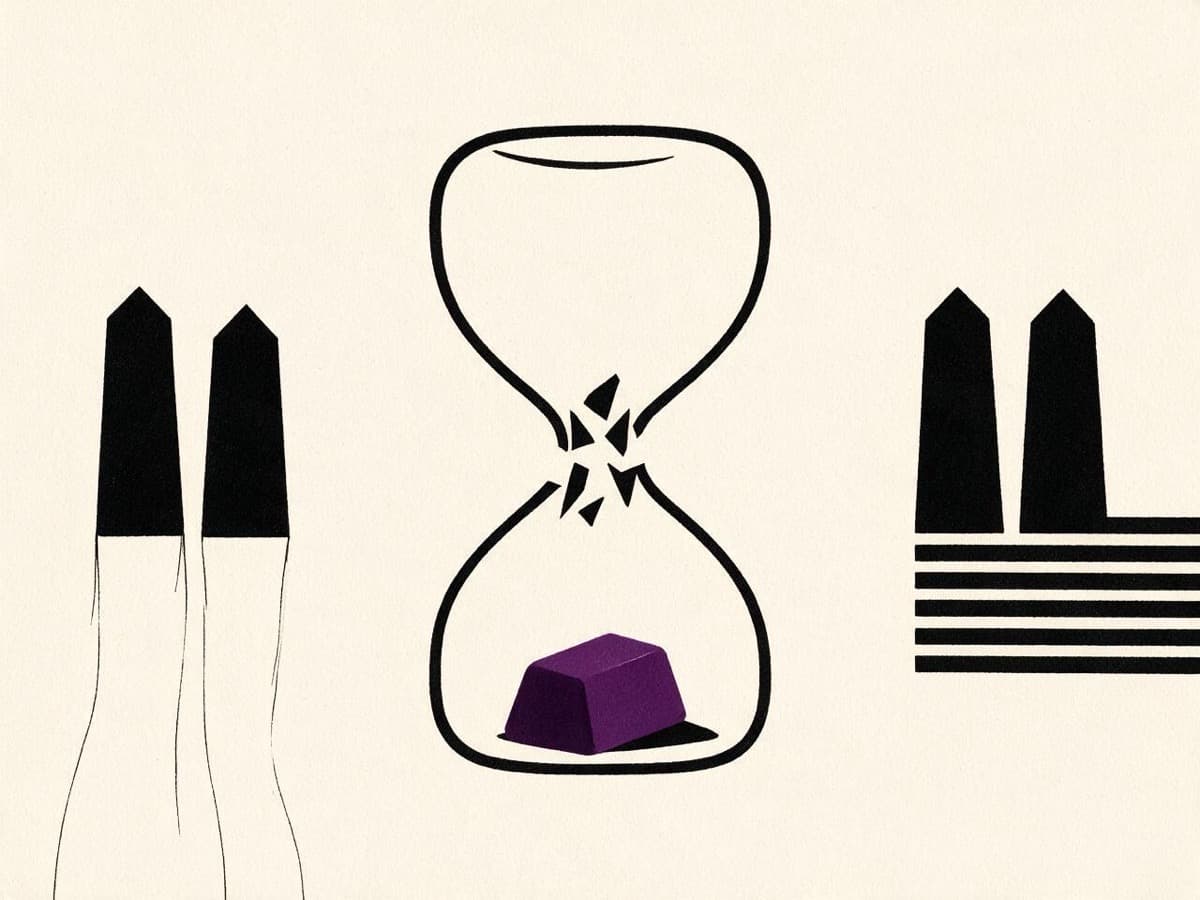


Most revision clauses are too tight or meaningless. Revision rounds done right: three per phase, tied to a written scope, protecting client and studio.
Almost every studio contract has a revision clause. Two rounds of revisions included. Additional rounds billed at our hourly rate. Clients read it as protection. Most of the time it is the opposite: a way to quote low and recover the margin later, one "extra round" at a time.
The answer isn't to drop revision rounds. It's to set them at the number the work actually needs, and tie them to a scope both sides have signed.
Why two rounds is a trap
Good design takes three cycles. The first sets the direction. The second refines it. The third polishes it. That's not a studio being slow; it's how a proposition gets from "roughly right" to "right".
A contract with two rounds included is quietly planning to deliver the work at two-thirds finished and bill for the last third. The client finds out in week five, at the exact moment they have the least leverage.
A two-round contract is a studio telling you, in advance, that finishing the work will cost extra.
Why "unlimited revisions" isn't better
The opposite promise sounds generous and usually means something worse: nobody defined what is being built. Without a scope, every piece of feedback is a negotiation about whether it's a revision or a new project, and the relationship wears down in the final weeks.
What we do instead
Every Unlockd project includes three revision rounds per phase. Positioning gets three. Design gets three. Build gets three. And if something still feels off after that, within what we agreed, we fix it at no extra cost. The project is finished when it works, not when a counter runs out.
That only works because of what comes before it: a one-page written scope, agreed before we quote. Every item is a line. Every line is either in or out. Homepage with hero, three service sections and contact. Five inside pages from the named list. Responsive. Connected to the CMS.
The distinction is then easy to draw:
- A revision improves what was agreed. Adjusting the homepage layout, tightening copy, changing a colour role. That's the work, and it's included.
- A scope change is something new. A different homepage concept, an extra page type, a new integration. It gets its own price and date, in writing, before anyone starts on it.
What this asks of the client
One person with the authority to approve each phase. Consolidated feedback per round, not a stream of comments from six people. And an honest conversation when an idea is new scope rather than a revision.
The hardest moment in any project is the first "can you just add this small thing". Our answer is always the same: yes, here's the price and the date; sign and we proceed, or we continue as agreed. Most clients sign. Some don't. Both are fine. What's not fine is absorbing it silently and letting the rest of the project slip.
What everyone gets
The client gets the full cost on day one, three real chances to shape each phase, and a guarantee that the work gets finished properly. The studio gets a project that ships on time with no resentment building in the last weeks. And the work gets the three cycles it needs to be good.
Frequently asked questions
How many revision rounds should a design project include?
Three per phase is a sound standard: the first round sets the direction, the second refines it and the third polishes it. Fewer usually means paying extra to finish the work; unlimited usually means nobody defined the scope.
What is the difference between a revision and a scope change?
A revision improves what was agreed, such as adjusting the layout, copy or colours of an approved homepage. A scope change is something new, such as an extra page type or a completely different direction, and it is priced and scheduled in writing before any work starts.
What happens if I'm still not happy after three rounds?
At Unlockd, anything that still doesn't feel right within the agreed scope is fixed at no extra cost. The project is finished when it works, not when a counter runs out.