

How one listing database can run several real estate websites, each with its own brand, featured listings and translated SEO, with 2FA and a full change log.
Many real estate businesses don't run one website. They run several brands, or a separate site for each market. And behind them, almost always, the same problem: the same listing typed into every system by hand, never quite identical in any two.
Here's how a multi-site property platform works, and when it's worth it.
One database, many websites
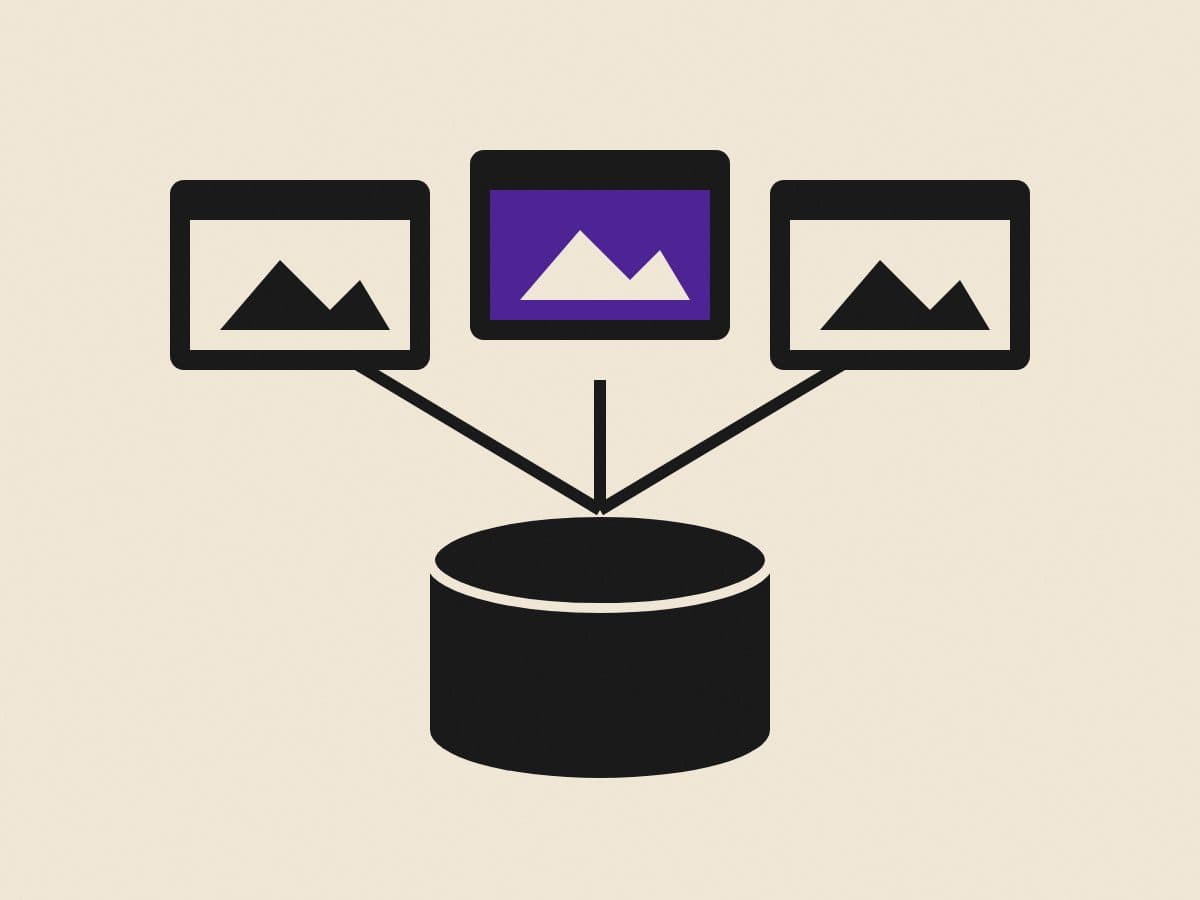
The core idea is simple. Listings live in one database, managed in one admin. Every website reads from it.
When an agent adds a property, updates a price or marks a property as sold, it changes everywhere at once. Nobody logs into several systems. Nobody forgets one.
Each website keeps its own identity
Sharing a database doesn't mean sharing a look. Two brands aimed at different buyers need different front doors, so each site controls its own:
- Hero images on the home page
- Featured listing: which property leads on the home page
- Meta tags, translated per site and language, so each site ranks for its own audience
The team manages all of this from the same admin, site by site.
Built for how an agency actually runs
A platform used by a whole team needs more than content editing:
- The owner adds and manages agents. New hires get access in minutes; people who leave lose it immediately.
- Every change is logged: who changed what, and when. When a price is wrong, you know how it happened.
- Two-factor authentication on every login. A property database with prices, owners and clients is exactly what attackers look for.
Connecting the software you already use
Some agencies already run property software they don't want to give up. That's fine. For SM nekretnine in Belgrade, we connected the website to their external property software: listings are pulled in and pushed out automatically. The site also writes SEO copy for every new listing the moment it's added, so hundreds of properties don't go live with empty descriptions.
When it's worth it
A multi-site platform makes sense when you:
- run two or more websites or brands,
- enter the same listings in several places,
- need control over who changes what,
- want each site to rank in its own market and language.
If you run a single website and a standard listing feed, a well-built single site is enough, and cheaper.
What it replaces
Without it, a price change means several logins and several chances to make a mistake. With it, it's one edit, logged, published everywhere, with each brand still looking like itself.
If you're running more than one property website, here's how we build real estate platforms, and our approach to luxury real estate website design.
Frequently asked questions
What is a multi-site real estate platform?
A single system with one listing database and one admin that publishes to several real estate websites. Each site keeps its own branding, hero images, featured listings and translated SEO, while listings are managed once.
Who needs a multi-site property platform?
Agencies or groups that run more than one brand or website, for example a luxury brand and a local portal, and are tired of entering the same listing in several places.
Is a multi-site platform secure?
It can be built to be: two-factor authentication on every login, roles managed by the owner, and a log of every change with who made it and when.